Modern Swivel Bar Stools with High Back: Fit & Comfort
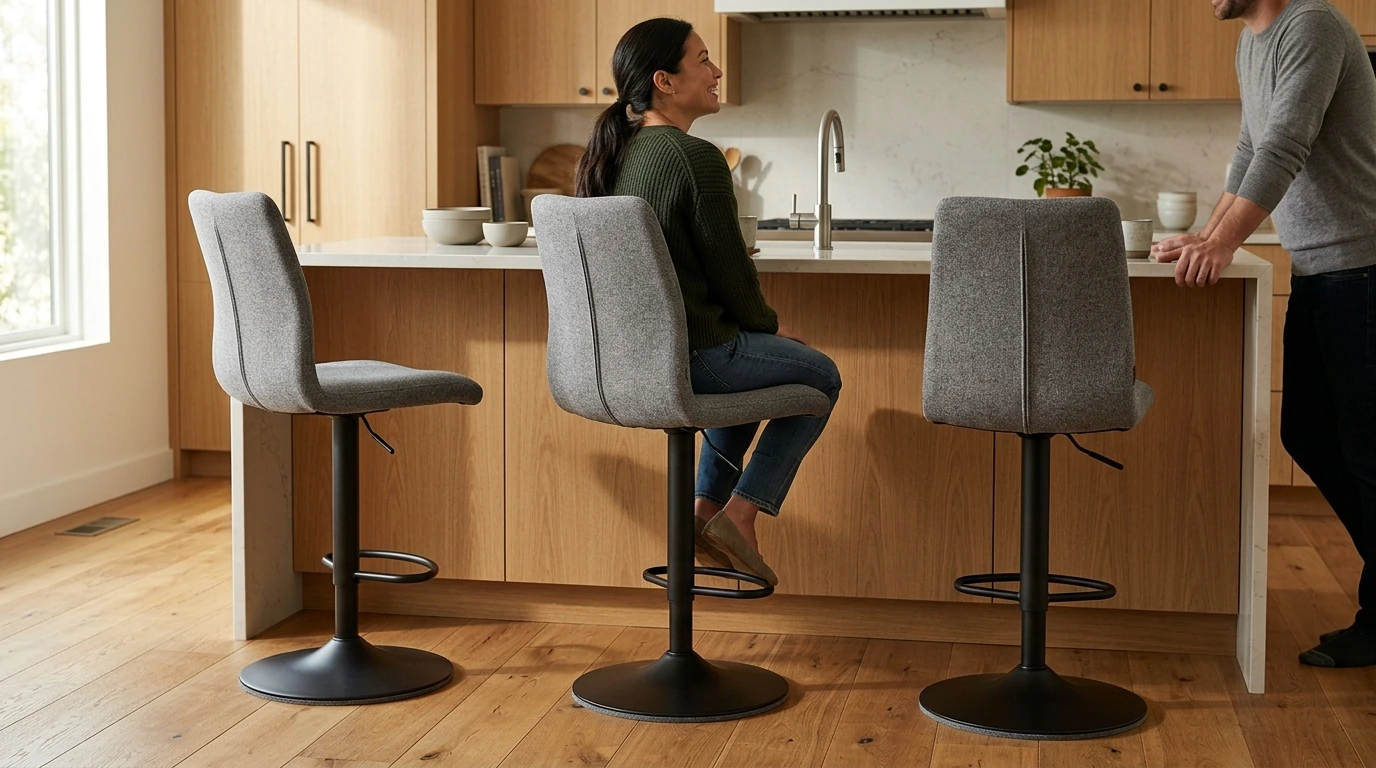
Modern Swivel Bar Stools Set with High Backrest
A modern swivel bar stool set with a high backrest can make a kitchen island or home bar feel more comfortable for lingering conversations, quick breakfasts, and casual entertaining. The best sets get the basics right: fit (seat height versus the counter), supportive design (backrest shape and seat comfort), and stability (base, footrest, and materials) so everything looks sharp and holds up to daily use. For more guidance, see 26″ Counter Height Bar Stools Set of 2, 360° Swivel Kitchen Stools ….
What makes a swivel bar stool set feel comfortable day to day
High backrest support
A taller, well-shaped backrest encourages better posture when people linger over coffee or stay seated while prepping food. High-back stools also feel closer to a dining chair than a quick perch, which is especially helpful in open kitchens where the island doubles as the main seating zone. For further reading, see Swivel Bar Stools Set of 2 24.5 Inch Counter Height Chairs Brown.
Swivel convenience
Swivel seats make casual hosting smoother. Guests can turn toward the room, pivot to talk, and slide in and out without scraping floors or tugging the stool out of alignment—small details that make a space feel more polished in everyday use.
Seat and edge comfort
Look for a gently contoured seat and a softened “waterfall” front edge. That rounded edge reduces pressure behind the knees, which is often what makes stools feel uncomfortable first—especially for longer sits.
Footrest placement
A footrest isn’t just decorative. When it’s positioned at the right height and distance, it reduces leg fatigue and gives smaller users a more secure, balanced feel while swiveling.
Sizing and spacing for islands, bars, and breakfast nooks
Stools that look perfect online can feel off in the room if the height and spacing aren’t planned. Before choosing a set, measure from the floor to the underside of the countertop or bar overhang (not just the top surface). Then plan for knee clearance and enough elbow room between seats—especially important with swivel models.
| What to measure | Rule of thumb | Why it matters |
|---|---|---|
| Counter/bar height | Choose a seat height that leaves comfortable leg room | Prevents cramped seating and makes standing up easier |
| Space between stools | Give each seat enough elbow room | Improves comfort and reduces collisions while swiveling |
| Clearance behind stools | Leave room to rotate and step away | Avoids bumping into walls, cabinets, or walkways |
| Footrest reach | Feet should rest naturally without stretching | Reduces fatigue and improves stability |
If you’re deciding between counter-height and bar-height seating, a straightforward reference helps. For a deeper sizing overview, see The Spruce’s bar stool height guide, then confirm the exact dimensions on the product page before ordering.
Design details that affect stability and durability
Base footprint and balance
Swivel stools experience side-to-side movement that stationary stools don’t, so a well-balanced base matters. A wider footprint helps reduce wobble and tipping, particularly when someone swivels quickly to get up or reach for something.
Frame materials and joints
Durability is often determined by what you can’t see at first glance: sturdy hardware, tight joints, and solid connection points. When evaluating quality, it can help to look for manufacturers that align with established furniture performance expectations; BIFMA furniture standards are a common reference point across the industry.
Footrest strength
The footrest is one of the highest-wear areas on any stool. A rigid, well-attached footrest prevents flexing and reduces squeaks over time, especially in busy households where stools are used multiple times per day.
Floor protection
Non-marring feet or pads protect wood, vinyl, and tile from scuffs and also help keep stools from drifting on smooth surfaces. Replacing worn pads is a quick, low-cost way to keep seating steady.
Style pairing ideas for a modern look
Match finishes to your “anchors”
For a cohesive modern room, tie stool finishes to the details that already repeat in the space: cabinet pulls, faucet finishes, and pendant lighting hardware. That repetition makes even mixed materials look intentional.
Balance visual weight
Create contrast on purpose
Keep sightlines in mind
Care, cleaning, and everyday maintenance
Weekly wipe-down
Check hardware periodically
Protect high-traffic floors
Avoid harsh cleaners
A practical pick for compact entertaining and daily meals
If you’re ready to outfit your island seating, start with the featured option: Modern Swivel Bar Stools Set with High Backrest. For a coordinated, modern home setup, these complementary pieces can help round out nearby spaces:
- 55 Inch Heavy Duty Writing Computer Desk with Z-Shaped Metal Legs for an adjacent work zone that matches a clean, contemporary look.
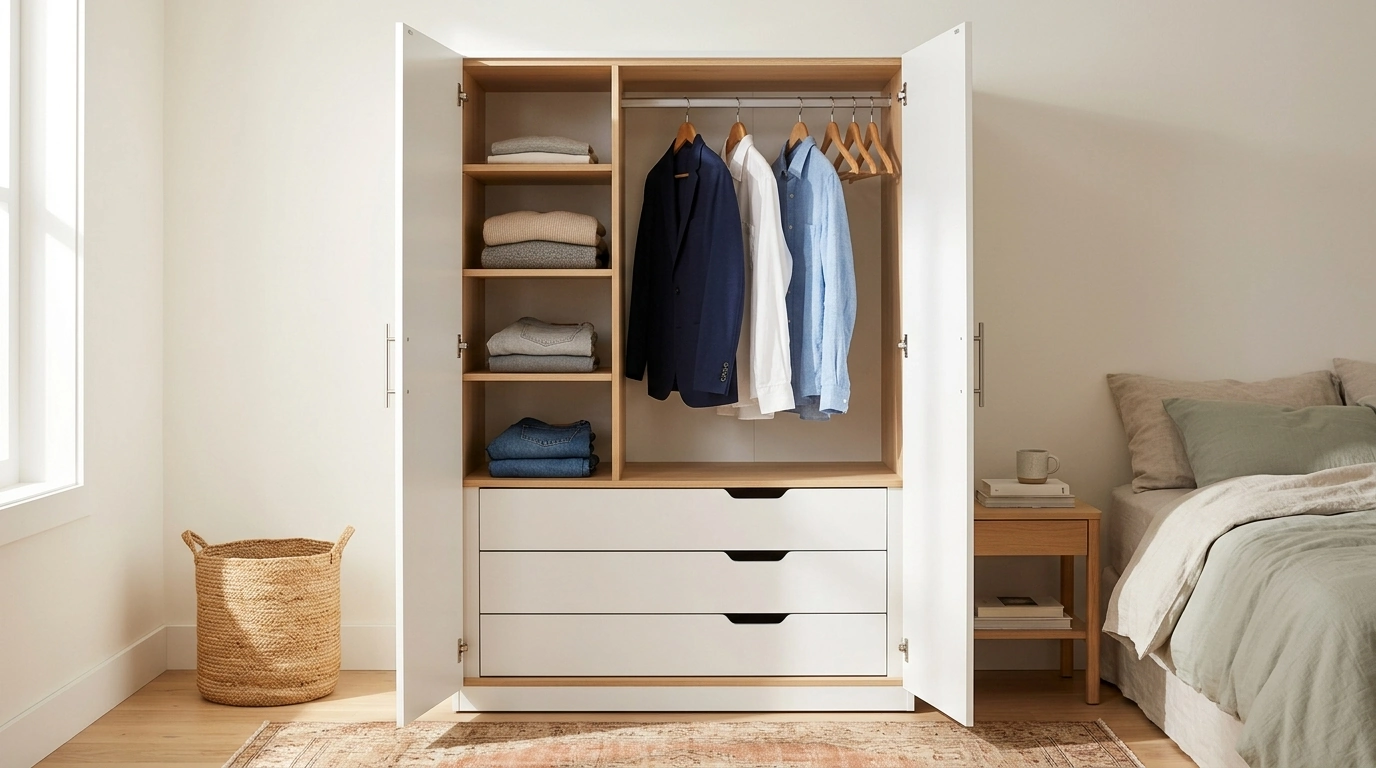
- Modern Glass Door Wardrobe Armoire with LED Lights, 59.1″ Wide Closet Organizer to keep open-concept homes visually tidy with sleek storage.
FAQ
What seat height is best for a kitchen counter versus a bar?
Counter seating typically uses a shorter seat height than bar seating, but the most reliable method is measuring from the floor to the underside of the counter/bar and leaving comfortable knee clearance. If exact dimensions aren’t listed here, confirm the seat height and recommended counter range on the product page measurements.
Do swivel bar stools need more space than stationary stools?
Yes. Swivel stools need extra clearance behind and between seats so people can rotate and step away without bumping cabinets, walls, or nearby guests. Planning for the swivel radius makes the seating feel effortless instead of cramped.
How can wobble be reduced after assembly?
Tighten all hardware after initial use, confirm the stool is on a level floor, and check that floor pads are evenly seated. Re-tightening periodically helps as joints settle and keeps the base feeling stable.








Leave a comment